


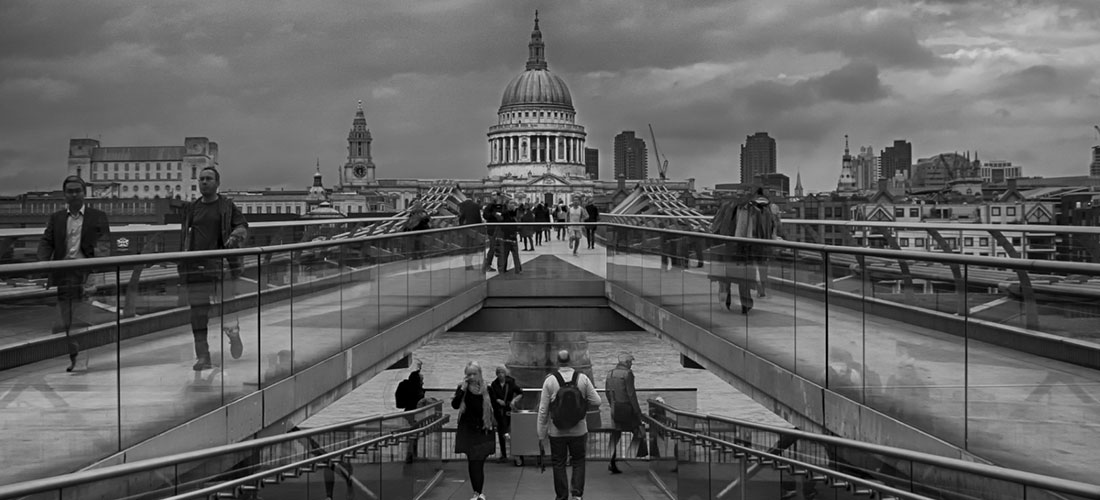
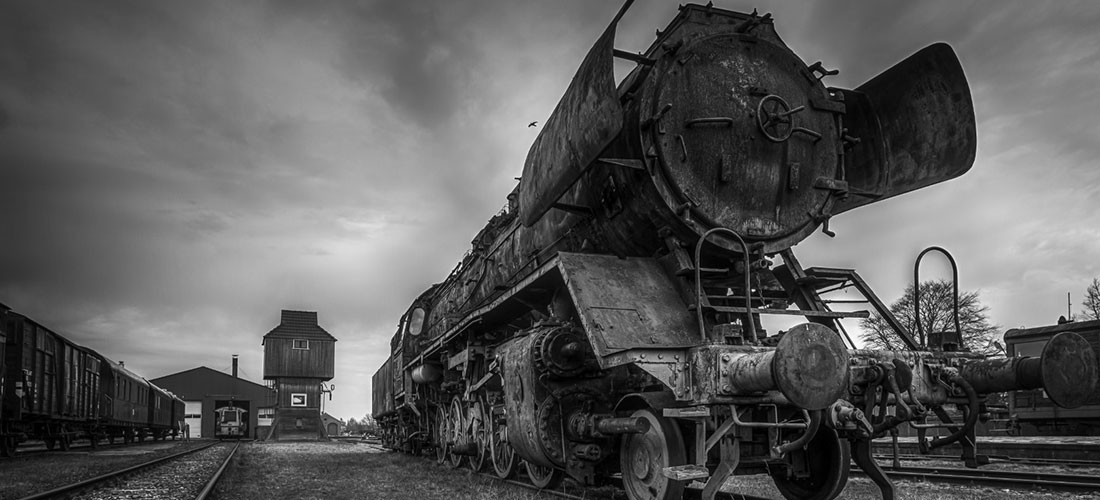





Urban exploring, often abbreviated as Urbex or UE, is the exploration of abandoned or rarely accessible buildings and locations that are usually closed to the public. It is about discovering forgotten places and capturing the beauty of decay through photography and video.
There is one unwritten golden rule among urban explorers worldwide:
“Take nothing but pictures, leave nothing but footprints.”
Most urban explorers, also known as urbexers, do not intentionally break laws, apart from entering locations where public access is restricted, something many consider a crime without victims. Respect for the location, its history, and its future is at the heart of true urban exploration.
Types of Urbex Locations
Abandoned Buildings
Abandoned buildings can range from recently deserted office blocks to 200-year-old ruins. Industrial sites are especially popular, as are buildings with striking architecture such as castles, churches, hospitals, and factories. These locations often tell powerful stories of the past.
Non-Abandoned Buildings (Infiltration)
Some urban explorers also investigate locations that are still in use but hidden from public view. This is commonly referred to as infiltration. Examples include maintenance corridors, underground hospital tunnels, restricted service buildings, or even military installations. These explorations require extra discretion and awareness.
Abandoned Domains
Entire abandoned areas also attract urban explorers. These may include former military training grounds, airfields, industrial complexes, or deserted holiday villages, places where nature slowly reclaims what humans once built.
Respect and Responsibility
Finding an urbex location is often considered part of the challenge and the sport. For this reason, explorers generally do not share exact addresses or publish locations online. This protects sites from vandalism, theft, and destruction, and shows respect for both the location and fellow explorers.
True urbexers are there to document and appreciate places, inside and out, through photography and video. While some seek adrenaline by climbing bridges, towers, or communication poles, most are driven by curiosity, history, and aesthetics.
Pay Attention: Urbex Is Not Without Risk
Urban exploring can be dangerous. Even with proper preparation and experience, risks can never be fully eliminated. Many abandoned buildings are structurally unstable, with collapsing floors, falling debris, asbestos, chemicals, or toxic substances. Wildlife, guard dogs, security personnel, or caretakers may also pose threats.
For this reason, a responsible urbexer never explores alone and always uses appropriate equipment.
Essential Equipment:
- Survival kit (food, water, medication, basic tools)
- Waterproof flashlight + spare batteries
- Mobile phone
- Protective gloves
- Sturdy footwear and dark, practical clothing
- Dust mask or respirator (for serious hazards, an asbestos suit is strongly recommended)
Safety Guidelines:
- Always explore with at least two people, preferably three
(In case of emergency: one stays, one seeks help) - Inform someone at home exactly where you are going
(For long expeditions, send regular updates with coordinates if possible) - Prepare thoroughly: research the location, terrain, surveillance, and transport schedules
- Never touch toxic substances or animal remains
- Avoid confrontation with police, owners, or security
- Stay away from vandals and metal thieves
- Never run, you are never faster than a dog
Urbexers, Not Vandals
Urban explorers are often mistaken for vandals, squatters, graffiti artists, or thieves because they visit similar locations. This misunderstanding can also extend to property owners and law enforcement. However, many people come to respect urban exploration once its purpose is explained and photographic work is shown. In some cases, this even leads to permission to continue exploring.
Are you an Urbexer?
Have you ever wondered what lies behind an old city wall?
Have you ever been curious about what happened inside a hospital abandoned for decades?
Do you feel drawn to places where nature slowly reclaims the urban world?
If not, urban exploring may not be for you.
But if that curiosity resonates with you, I hope you will find inspiration on my website and that you will respect the unwritten rules that keep urban exploration meaningful, safe, and authentic.